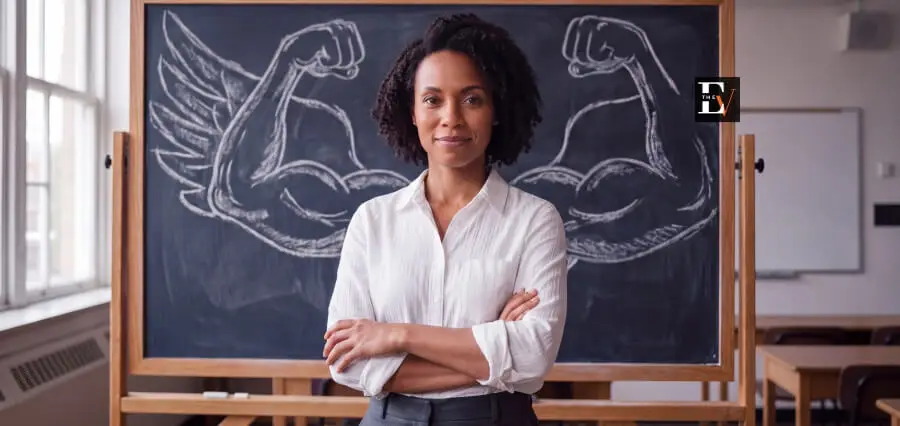
Women in Academic Governance
Entering the boardrooms of the modern university is not like entering those of the past because now there are more women presiding over committees and serving on faculty senates and governance boards that were formerly occupied by men alone. However, this is not yet enough for the women leading the change who believe that without conscious effort this change cannot move forward. Women in academic governance is now part of a wider debate on who gets to decide what universities teach, fund and cherish.
“Governance is everything in higher educational institutions, whether it is budgets, tuition, choosing of the president, or defending the mission of the university. It is up to faculty senates to decide on curricula and tenure criteria. In case this governance is done by people representing a small group in the community, a lot of things are left out of the equation.”
The Leaky Pipeline
In many countries, women earn more than half of all bachelor and doctorate degrees; however, they hold fewer senior positions. There is a tendency that women are fewer the higher one moves up the ladder from professors to deans, provosts, and presidents. This is known as the leaking pipeline, as women are somehow ‘lost’ along the way.
A Barrier Falls at Harvard
In a sense, Drew Gilpin Faust knocked off one of the most apparent barriers down. As an historian of the American South, Faust is the twenty-eighth President of Harvard University, who assumed office from July 1, 2007, and she is the first woman in history to have been appointed to such a post at an institute that was founded as far back as 1636. She worked till 2018 and in the process made the institute more affordable and accessible as well.
What Changes When Women Lead
There is evidence for diverse leadership decision-making. A diversity in the board implies that the questions posed will be difficult, risks will be critically assessed, and assumptions questioned. Female leaders have a propensity to take into consideration the success of the students, mentoring, and open hiring processes. Female leaders are always worried about the pay of the employees and their promotions within the organization. Women in academics will act as role models to other young faculty members aspiring to be leaders.
Barriers That Persist
But there are still many obstacles that one needs to overcome on their way to success. The selection process usually chooses candidates who are similar to previous presidents. Informal networks allocate their resources for familiar faces. Women are particularly engaged in carrying out the service work of committees and mentoring students. As a result, they have less time to spend on research, which counts in the evaluation for promotion.
Women of color should be ready to overcome yet another set of obstacles. There is no denying the fact that these women encounter obstacles that other faculty members do not encounter. They lack sponsorship to become leaders and receive less support than other faculty members. It is believed that those who are interested in higher education need to measure these discrepancies.
Strategies That Work
Universities that want change are experimenting with concrete tools. They are already disclosing information about gender parity at various levels and across various boards. There are universities which have set targets regarding the composition of shortlists that need to be gender-balanced in their efforts to recruit leaders. There are others that have trained their search committees on recognizing bias, rotating service obligations evenly, and providing leadership development programs for women so that they can get ready for positions like dean and president. It is just as important for there to be sponsorship as it is to have mentoring; a senior official championing one’s cause behind closed doors can make all the difference.
The policy component is also key. Accrediting bodies and governments can ask for disclosure and accountability, while trustees can tie leadership evaluations to diversity benchmarks. Metrics of friendliness to families, including parental leave and tenure clocks adjustment, keep women in the pipeline while they reconcile their work and care duties.
The Stakes for Universities
This is not only a question of justice but the problems universities are facing need all the leadership talent that universities have because universities are facing criticism, pressure for money, and rapid changes in technology. The boards which use all of their talent will prove to be more effective in decision-making. Women in university governance provide certain skills that universities cannot ignore anymore.
A Charter Still Being Written
However, there is still much work left to do. It is necessary to keep on collecting information, be responsible for actions taken, and share power, rather than keep it to oneself. Every time a woman is elected to the board of directors, leads a senate, or holds the presidency, she opens the way for another woman. In rethinking the charters in connection with the changing world, Women in Academic Governance will determine who all or some of the members should be represented by them.