Schools that genuinely serve their students well are not defined by exam results alone. They are defined by whether students leave with confidence, curiosity, and a real sense of who they are. Building that kind of school takes leadership that stays grounded in values, listens honestly and is willing to make difficult decisions for the right reasons rather than the popular ones.
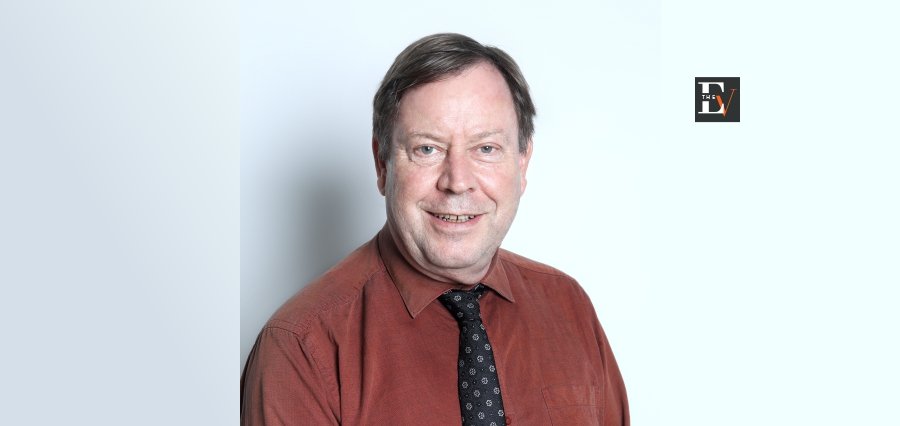
Dr. Howard Gee, Head of School at DSB International School, leads from exactly that foundation. His approach to school leadership has been shaped by hard-won experience, a deep belief in education as a genuinely enriching experience and a commitment to every learner that does not waver when things get difficult.
A Belief in Enriching Education
Like many educators, Dr. Howard entered the profession because he believed he had the ability to connect with students in meaningful ways. The reality of teaching in the UK state system tends to dispel such dewy-eyed notions quite quickly, but over time, this would be quite a good way to characterise his journey.
He has a profound belief that education should be an enriching experience for all children and in his small way, that is what he is working towards.
Leadership Built on Core Values
Dr. Howard first two years as Principal were a baptism of fire, followed by COVID. He learnt that “Criticism does not mean one is wrong, flexibility is not weakness, and accepting defeat is part of winning.” He listens to all points of view but acts according to the best way forward. He also discovered the importance of core values and consistently drawing his team and community back to them. For the stability of an organisation, the chosen path must always align with its guiding principles.
Visionary Leadership for a Changing Future
Dr. Howard believes a visionary leader must carve out time to consider the school’s sustainability, how it will evolve to face change, and how initiatives can embed readiness throughout the community.
Visions may result in different outcomes, but all visions must reflect the reality of a future we can only partially know. For him, visionary leadership must also recognise risk and insure against it.
Developing Future-Ready Learners
The principles of Dr. Howard’s school reflect the belief that learning extends far beyond good grades. They underpin an educational experience that is joyous and meaningful for all students. Students are not only prepared for examination success but are also learning to become the best versions of themselves by developing high self-esteem, confidence, and agency.
Innovation Beyond Technology
Dr. Howard believes technology and innovation should not be conflated. A teacher can be innovative without technology or deliver traditional learning with the latest tech. Innovation comes from giving teachers autonomy and challenging them to maximise learning.
Technology provides tools to enrich classes with diverse sources and a wider breadth of activities. He believes AI for learning should lift students’ endeavours to higher levels of complexity and difficulty by providing shortcuts. This works when teachers and students understand how learning activities facilitate learning and how to move forward.
Quality, Inclusion, and a Shared Vision
Dr. Howard places accessibility, inclusivity, and quality at the heart of how the school plans, appraises teachers, and approaches recruitment and professional development conversations. Its statement of high-quality learning outlines expectations and is built into planning tools and teacher performance metrics. The school is clear about what it wants, supports teachers to understand this, and helps them develop to meet expectations.
He believes his vision is the school’s vision. Its guiding principles emerged from conversations and consultations and reflect the broad beliefs and values of the community. His role is to anchor his work in these principles and explain how leadership and operational choices align. When parents say this is what other schools do, he explains why it does not work that way with his school. Every conversation is a learning opportunity and a chance to deepen understanding of the collective vision and how to attain it.
Contributing to a Better Education System
Dr. Howard considers it arrogant for a principal of a small school in such a vast country to claim significant impact. He contributes where he can to important conversations about teacher training and wellbeing. Teachers who have trained under him move on, taking their ideas with them and moving the conversation forward in their schools.
He is part of a growing number of enlightened voices in the country’s education system that collaboratively support the aspirations of the national government and people for a better, more relevant, and kinder education system.
Education in the Age of AI
The greatest challenge, according to Dr. Howard, is ensuring that education remains relevant for all in the age of artificial intelligence. The relevance of the traditional exam-based model has been diminishing for decades, but adaptation has been slow. In his view, educators must prioritise future-ready skills such as critical thinking, adaptability, and resilience while emphasising wellbeing, empathy, and survival in a warmer future.
Additionally, he advocates exploring alternatives to traditional examination-based pathways to higher education, including initiatives such as the Mastery Transcript Consortium and accredited school graduation portfolios.
Preparing Students for a New Paradigm
Education, in Dr. Howard’s view, must prepare students for long lives, multiple careers, meaningful leisure, and social responsibility in a globally warming world. It should equip them with the skills needed to flourish in this new paradigm, including collaboration, critical thinking, empathy, and the ability to develop social capital.
He also believes that today’s students have the ability to curate how the world sees them. Therefore, education should help them do so meaningfully and with dignity. For emerging leaders, his approach demonstrates that visionary leadership begins with clear values, meaningful conversations, and an unwavering commitment to preparing every learner for an uncertain but opportunity-filled future.