Education today is no longer limited to textbooks and classrooms. Schools are being called on to design learning spaces which foster growth, resilience and authentic learning experiences. As expectations around progressive learning continue to develop, leaders who focus on both learning and student development are creating important change. Chassie Selouane, Founder and CEO of Appalachian American Academy Global, is driving meaningful change through a people-first approach to education: rooted in the belief that every child deserves a learning environment where they feel seen, genuinely supported, and equipped to grow far beyond the classroom.
A Journey Rooted in Impact, Not Titles
Chassie’s journey in education has never been about titles, it has always been about impact. Beginning her career in the United States, she worked across diverse educational settings where she quickly recognized both the transformative power of education and the reality that many students were still slipping through the cracks unseen, unheard, and disconnected. That realization shaped her purpose and continues to guide her leadership today.
Over the past two decades, she has had the privilege of serving in leadership roles across the United States, the Middle East, and North Africa, working within American, international, and inclusive educational systems. Those experiences taught her that education is not one-size-fits-all, and that truly meaningful schools are built on relationships, belonging, and human connection.
What inspires her every day is simple: students need Maslow before they can bloom. A disengaged student is often not refusing learning they are searching for connection, safety, and someone who believes in them. That belief has shaped her commitment to kind leadership, inclusion, and building schools that grow both hearts and minds. Education, for her, has never just been about academics. It is about helping people discover their value, their voice, and their potential.
Leadership Built on Connection and Trust
Her leadership philosophy has been shaped not only by professional milestones but by deeply human experiences. From leading schools through change initiatives to supporting students with complex emotional and academic needs, Chassie has learned that leadership is not about control, it is about connection, trust, and service.
Some of her most important lessons came not from formal leadership environments but from conversations with struggling students, exhausted teachers, worried parents, and communities searching for stability. These experiences led to a principle she holds deeply— “connection before correction is not just a classroom strategy, it is a leadership stance.”
She believes culture is built in the smallest moments, how leaders respond under pressure, how educators are supported, how students are spoken to, and whether people feel psychologically safe enough to grow. Leadership, for her, means constantly asking: What am I building in this moment trust or tension, fear or belonging, compliance or commitment.
Defining Visionary Leadership in Education Today
In today’s rapidly evolving world, Chassie defines visionary leadership as the ability to see what education must become, and to have the courage to begin building it now. This is not about performative innovation, but about purposeful transformation rooted in wellbeing, inclusion, academic excellence, and future readiness.
She highlights that the future demands more than memorization and compliance. Students must be prepared to think critically, communicate across cultures, innovate creatively, and lead with humanity.
Visionary leadership means creating schools where wellbeing exists alongside rigor, inclusion is embedded into systems, creativity and the arts are championed, technology enhances learning without replacing human connection, and educators are empowered as leaders.
Building Future-Ready Learners
Chassie work is centered on developing learners who are academically strong while also emotionally intelligent, culturally aware, adaptable, and future-ready. At MLS International Riyadh, social-emotional learning is intentionally integrated with academic rigor, recognizing that connection drives outcomes.
There is a strong focus on student agency, inquiry-based learning, innovation, creativity, leadership development, and real-world problem solving. At Appalachian American Academy Global, she is expanding access to flexible, accredited American education models that allow students to learn beyond traditional walls while still maintaining high academic expectations and meaningful teacher relationships. In this model, the world becomes the classroom.
Her goal has always been to help students become not only successful academically, but prepared to thrive as compassionate, capable human beings.
Leveraging Technology Without Losing Human Connection
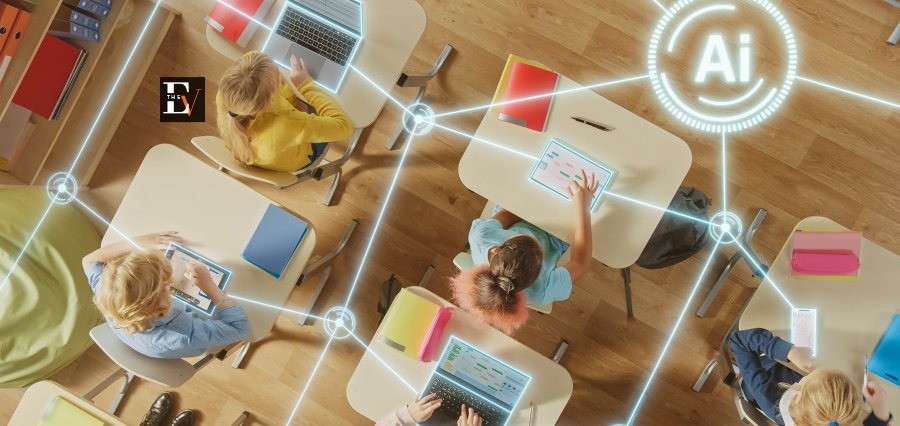
In an increasingly digital world, Chassie maintains a clear perspective, technology should never replace human connection; it should strengthen it. Innovation, in her work, is always intentional and purposeful.
By leveraging adaptive learning platforms, data-driven instruction, and personalized pathways, she ensures that technology enhances learning while meeting individual student needs. At the same time, she is a strong advocate for thoughtful implementation, emphasizing that schools must evaluate tools carefully rather than adopting them based on trends.
Technology, she explains, should support creativity, collaboration, accessibility, and deeper learning experiences. Beyond technical skills, there is also a responsibility to teach students how to use technology ethically, responsibly, and meaningfully.
A Commitment to Inclusion and Accessibility
Inclusion, for Chassie, is not a program it is a commitment. Throughout her career, she has worked extensively in inclusive education and believes every child deserves access to high-quality learning that recognizes their unique strengths and needs.
At MLS International Riyadh, systems are built to support the whole child through differentiated instruction, individualized support plans, social-emotional practices, and collaborative intervention models. Accessibility is viewed not only through an academic lens but also through emotional, cultural, and geographical dimensions.
Through flexible online learning pathways, barriers are being removed, ensuring that quality education is not limited by location or circumstance. A strong educational system, in her view, does not ask students to fit into rigid structures, it evolves to meet learners where they are.
Initiatives That Reflect Real Impact
One of the initiatives Chassie is most proud of is the expansion of Appalachian American Academy Global. Originally developed as an accredited online pathway for students in Grades 6–12, the academy is now expanding to include elementary learners beginning next year.
This initiative reimagines what learning can look like, providing access to high-quality American education taught by certified teachers while offering flexibility that traditional systems often cannot provide. Students can learn from anywhere in the world while remaining connected to strong instructional systems and meaningful academic pathways.
Alongside this, her work in building school cultures rooted in social-emotional learning, inclusion, creativity, and connection continues to create environments where students feel valued, inspired, and empowered. Because, as she believes, “when schools focus on growing hearts and minds, transformation happens.”
Building Engagement Through Relationships
For Chassie, engagement begins with relationships. People support visions they feel connected to, which is why she prioritizes transparent communication, active listening, and trust-building across all levels.
With educators, she focuses on empowerment rather than micromanagement. With families and stakeholders, she works intentionally to create welcoming spaces for dialogue, collaboration, and connection.
She also believes leadership is felt long before it is understood. One of the questions she constantly asks herself as a leader is: What am I building right now trust or tension, belonging or fear? Because strong schools are built through strong relationships.
Navigating the Challenges
Education today faces significant challenges, particularly as many systems remain rooted in outdated models. Environments that prioritize compliance over creativity and performance over wellbeing continue to limit potential, while educators face burnout and students struggle emotionally.
Chassie navigates these challenges by focusing on intentional system redesign rooted in human connection, flexibility, and future readiness. Through her work with Leading Connection and Appalachian American Academy Global, she is expanding innovative educational pathways such as dual enrollment, early college access, personalized online learning, and globally connected educational opportunities.
At the same time, she strongly advocates for educator wellbeing, recognizing that thriving schools cannot exist without supported educators. Education, she emphasizes, does not need more pressure, it needs more purpose, more humanity, and more courageous leadership.
A Vision for the Future and Advice for Emerging Leaders
Looking ahead, Chassie vision for education is clear, learning must become more personalized, inclusive, globally connected, and deeply human. She envisions systems that move beyond rigid models toward flexible pathways that honor individuality while maintaining high expectations.
At the core of this vision is a commitment to ensuring that every child feels seen, safe, and capable of success.
For emerging leaders, her advice is grounded in clarity and purpose. She encourages them to “Lead with courage. Lead with clarity. But most importantly, lead with heart,” emphasizing that leadership is not about power but about people.
In the end, her philosophy remains unwavering. Leadership is not about systems; it is about people. And when the focus remains on growing hearts and minds, everything else follows.