Education is the backbone of innovation, economic growth and the progress of society. Institutions that take this seriously do not simply keep pace with change. They anticipate it, prepare for it and build learning environments strong enough to meet the progress. That level of commitment requires leadership grounded in genuine vision, a deep respect for students, and the courage to challenge approaches that no longer serve the people they are meant to help.
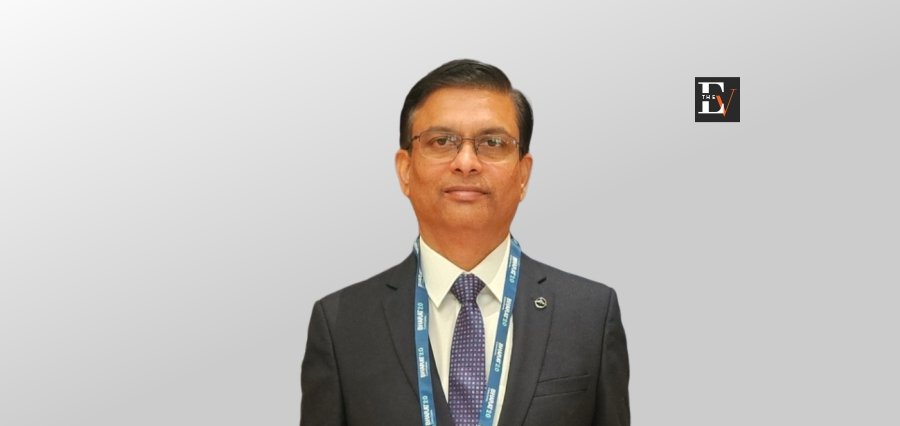
Prof. Sathish Kannan, Professor and Dean of Engineering, Architecture and Interior Design at Amity University Dubai, has built his entire academic career around that standard, working consistently to ensure that education does what it was always meant to do: create lasting impact in the lives.
Creating Lasting Impact Through Education
For Prof. Sathish, the inspiration to pursue a career in education was the opportunity to make a lasting impact on people’s lives. While technology, industries, and job roles continue to evolve, he believes education remains one of the most powerful tools for shaping individuals, communities, and societies.
Coming from an engineering background, he recognized that teaching offered a unique platform to bridge the gap between theoretical knowledge and real-world applications. Empowering young minds with knowledge, skills, and confidence while guiding their professional growth became the foundation of his academic journey.
Over the years, his motivation expanded beyond classroom teaching to creating innovative learning environments, fostering industry partnerships, promoting research and innovation, and ensuring education remains relevant to future workforce requirements. He says, “Education offers a unique opportunity to create a multiplier effect.” By developing one student, institutions influence future organizations, industries, and communities, creating a lasting societal impact.
A Leadership Philosophy Centered on People
Prof. Sathish believes academic leadership is not about managing systems but about inspiring people. His leadership philosophy is centered on student success, faculty empowerment, innovation, and industry relevance.
According to him, the role of an academic leader is to create an environment where students, faculty, and stakeholders can thrive while maintaining high standards of academic excellence. By empowering faculty, engaging industry, fostering innovation, and focusing on student success, institutions can create transformative learning experiences that prepare students to become ethical professionals, innovative thinkers, and responsible global citizens.
Defining Visionary Leadership in Education
According to Prof. Sathish, visionary leadership in education is the ability to anticipate future trends, inspire stakeholders, and drive transformational change that prepares learners for an increasingly complex and dynamic world. Visionary leadership goes beyond institutional management and focuses on shaping the future of education through innovation, collaboration, and strategic foresight.
He believes opportunities need to be created for transformation. It is the ability to inspire people, embrace innovation, build meaningful partnerships, and prepare learners not only for the jobs of tomorrow but also for the challenges and opportunities of a rapidly changing world.
Building the Future of Education
Prof. Sathish envisions the future of education as industry-connected, technology-enabled, research-driven, student-centered, globally engaged, and socially responsible.
He believes, “Technology should not simply digitize traditional education; it should transform the learning experience.” He advocates integrating artificial intelligence, immersive technologies, data analytics, and industry-driven innovation into the academic ecosystem to create engaging, personalized, and future-ready learning environments.
At the same time, he considers accessibility, inclusivity, and quality to be fundamental pillars of educational excellence. His approach combines technology-enabled learning, inclusive educational practices, faculty excellence, and industry-integrated curricula. The focus is on removing barriers to learning, creating environments where every student can succeed, and ensuring academic programs remain relevant and aligned with workforce needs.
Transforming Engineering Education Through Industry Integration
One of the most significant initiatives led by Prof. Sathish was the development of an Industry-Integrated Learning Ecosystem, transforming traditional engineering education into a more experiential, skills-based, and employment-focused model.
Recognizing the gap between academic learning and industry expectations, he collaborated with faculty, industry partners, and university leadership to redesign curricula around project-based learning, industry certifications, internships, and real-world problem-solving. Strategic partnerships were established, specialized laboratories and Centers of Excellence were created, and industry-sponsored projects were embedded into the academic experience.
The initiative introduced emerging technology domains including Artificial Intelligence, Digital Manufacturing, Sustainability, Renewable Energy, and Industry 5.0 concepts across engineering programs. Faculty members were trained in innovative teaching methodologies, while students gained access to hands-on learning opportunities and industry mentorship.
The results included increased student engagement, expanded internship opportunities, improved graduate employability, and stronger research collaborations, creating a sustainable framework that continues to benefit future generations.
Advancing Sustainability and Innovation
Among the initiatives Prof. Sathish is particularly proud of is the establishment of a Center of Excellence for Sustainable Energy Management and Industry Innovation.
The center aimed to bring together academia, industry, and government stakeholders to provide students with experiential learning opportunities, applied research projects, professional certifications, and exposure to emerging technologies such as space energy, renewable energy, hydrogen systems, energy management, and smart manufacturing.
Through this initiative, he created a platform that enhanced student employability, supported faculty research, strengthened industry engagement, and contributed to regional sustainability goals. It became a catalyst for innovation, collaboration, and workforce development while demonstrating how higher education can create meaningful impact beyond the classroom.
A Vision for Inclusive and Future-Ready Learning
Prof. Sathish believes that improving inclusion in education for all is the need of the hour. It enables the creation of learning environments where every student, regardless of background, abilities, socio-economic status, culture, or learning needs, has equal access to opportunities and the support necessary to succeed.
Looking ahead, he envisions a future-ready educational ecosystem that combines academic excellence, technological innovation, industry collaboration, and human-centered learning to empower students as lifelong learners, innovators, and responsible global citizens.