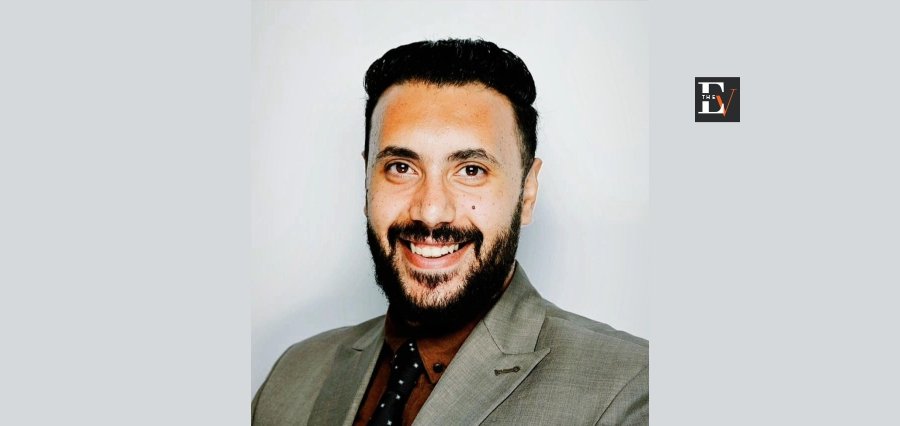
Teaching a language to someone who has never spoken it requires patience, creativity and a genuine belief in every learner’s potential. In UAE classrooms where students arrive from many countries with entirely different relationships to language and culture, that kind of teaching is a daily necessity. Ahmed Elsayed Shaaban Ahmed Agamy, Arabic and Islamic Teacher at Rushmore American School, and Expert Teacher on the Draisine App, has spent his career doing exactly that, building confidence, character, and genuine connection in every student he serves. He continues to make a lasting impact on diverse learners while promoting communication, respect and personal growth.
A Journey Built on Passion and Persistence
For Ahmed, education has always been more than teaching subjects. It is a responsibility to shape confidence, character, and cultural understanding. His journey began at a young age through his passion for learning, communication, and personal growth, exploring entrepreneurial experiences that helped him develop responsibility, leadership skills, and adaptability.
After graduating from the Faculty of Education at Alexandria University with a specialization in Arabic Language and Islamic Studies, he worked at respected institutions in Egypt. These included The British School, Alexandria and the Egyptian American School affiliated with the U.S. Embassy in Egypt. Both experiences strengthened his teaching abilities and deepened his passion for student development.
When COVID-19 disrupted education globally, he moved to the UAE. Although teaching opportunities were delayed, he remained determined to keep growing professionally. He worked in Public Relations for Emirates Markets Group, gaining valuable communication and organizational experience. As schools reopened, he returned to the classroom through The International British School, Ajman. He later joined GEMS Founders School Al Barsha and now serves at Rushmore American School as an Islamic Education and Arabic teacher for non-native speakers.
What has always inspired him most is the opportunity to make a genuine difference in students’ lives.
Leadership Through Understanding and Emotional Balance
Ahmed’s leadership philosophy was shaped by working across different environments, cultures, and challenging situations. Moving between schools taught him the value of adaptability, patience, and mutual respect. Teaching Arabic and Islamic Studies to non-native speakers strengthened his ability to communicate with diverse learners while creating inclusive environments where everyone feels respected. His Public Relations experience during COVID-19 further sharpened his emotional intelligence and ability to remain calm under pressure.
These experiences led him to believe that successful leadership is built on understanding, acceptance, and emotional balance. He strongly values respect for people regardless of nationality, culture, or personality. Known for his calm communication style, he creates trust and stability among students, parents, and colleagues.
For him, “Leadership is centered around teamwork, encouragement, continuous learning, and leading by example.” He believes true leaders inspire through consistency, understanding, and actions rather than authority alone.
Defining Visionary Leadership in Modern Education
Visionary leadership means inspiring others, adapting to change, and creating learning environments that prepare students for the future. Ahmed believes a visionary leader understands the needs of students, teachers, and parents while embracing diversity, technology, and continuous development.
It also requires patience, emotional intelligence, and the ability to guide others with confidence and calmness. Most importantly, visionary leadership should leave a lasting positive impact on students both academically and personally.
Building Confident, Inclusive, and Future-Ready Learners
Ahmed’s work focuses on creating supportive environments where students become confident, independent, and future-ready. He emphasizes communication skills, cultural understanding, and emotional growth alongside academic achievement.
Working with students from different nationalities has allowed him to promote values of respect, acceptance, and collaboration. He believes these are essential for success in a diverse and evolving world. His goal is to help learners become academically strong while also developing emotional balance and self-confidence.
Leveraging Technology and Innovation in Learning
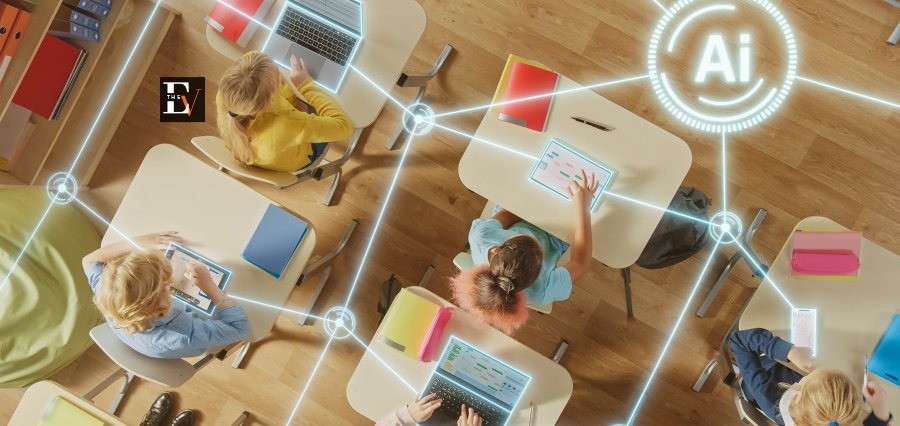
Ahmed integrates presentations, educational videos, interactive activities, and digital learning platforms into his lessons. This makes learning more engaging and accessible, especially for non-native Arabic speakers. Rather than relying on traditional methods alone, he creates student-centered lessons connected to real-life situations.
For him, technology plays an important role in helping students become more confident, motivated, and actively involved in the learning experience.
Creating Inclusive and Supportive Classrooms
Ahmed addresses challenges related to accessibility, inclusivity, and quality in education by creating a supportive and respectful learning environment where every student feels valued and encouraged to participate. He simplifies information and adapts teaching methods to match different levels and learning styles. He believes inclusivity begins with understanding and patience. Building strong relationships helps learners feel comfortable, respected, and confident in the classroom.
For him, “Quality education means helping every student grow academically, personally, and socially in a positive and balanced environment.”
Impact Through Real Student Transformation
One of the achievements that reflects Ahmed impact in education has been his experience at Rushmore American School. Many of his students were unfamiliar with Arabic and had limited English skills, which required him to find creative ways to communicate with learners from Russian, French, Chinese, and Kazakh backgrounds.
One memorable experience involved a student from China and two students from Kazakhstan who initially could not introduce themselves in Arabic. Through patience, encouragement, and interactive methods, they gradually learned to communicate using basic Arabic expressions.
He also worked with a student from Kazakhstan who had memorized the Holy Quran but struggled with pronunciation because he had learned from a non-Arabic-speaking teacher. He dedicated significant effort to improving the student’s recitation and pronunciation skills.
For him, these moments represent the real impact of education, helping students overcome barriers and connect meaningfully with Arabic language and Islamic studies.
Engaging Stakeholders and Navigating Challenges
Ahmed builds strong relationships with students, parents, and colleagues based on respect, trust, and positive communication. With students, he focuses on encouragement and interactive lessons. With parents and colleagues, he maintains open communication and welcomes collaboration.
He navigates the challenge of teaching diverse learners through patience, inclusive methods, and technology integration, believing flexibility and emotional balance are essential for overcoming modern educational challenges.
Vision for the Future of Education
Looking ahead, Ahmed envisions educational environments that are more interactive, inclusive, and focused on communication skills, critical thinking, and personal growth. He believes technology will continue transforming education, but human connection between teachers and students will always remain its foundation.
To emerging leaders, his advice is simple: remain patient, open-minded, and willing to keep learning and adapting. Respect different cultures, communicate calmly, and lead by example. Building trust and positive relationships remains the most important key to success in education.