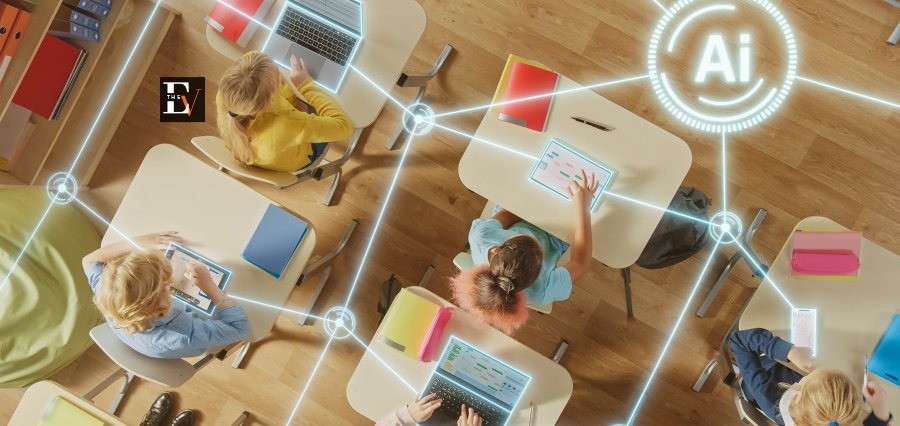
The conventional pedagogical approaches are being replaced in schools and institutions by practical teaching and learning of skills that can be easily evaluated. In this changing academic world, new learning models emphasise not just coursework but mastery over time limits. These approaches enable students to learn at their own speed and build their knowledge of topics and how they are applied in the world. Schools and universities now adopt flexible teaching methods which can be customized to student needs because student-centered learning has become a prevailing educational trend in recent years. With the focus on student-centered learning schools and universities have increasingly adopted flexible and personalized teaching strategies in modern classrooms.
Schools are becoming more aware of the need to offer students with real world experiences that match their interests, learning styles and future career goals, which are all reflected in their ability to participate in lessons. This departure from traditional, structured classrooms has provided opportunities for teachers to engage in more flexible approaches toward teaching and learning, greater emphasis on learning skills, and conceptual understanding, and more opportunities for involvement. Personalized learning is being utilized to make students more self-confident, motivated and active in their learning process.
Personalized Growth
The traditional education system tends to make all students move at the same speed, without considering their comprehension of the material. Some pupils may find that they are not being sufficiently challenged while others experience difficulties because they believe they are falling behind. These models solve the problem because students must prove their knowledge of a particular competency before they can advance to the next learning level. The personalized system will increase student participation because students will achieve specific academic milestones which will help them build confidence.
Learners develop a strong sense of achievement while their motivation increases through their lessons, which assess existing knowledge, understanding and their ability to master concepts. This style of marking can alleviate academic stress which is often linked with conventional systems and provide a more positive learning atmosphere where students are empowered to take an active role in their learning. Students focus not only on the grade and the score but also on gaining a deep understanding of the topics in question and how to apply this knowledge to them effectively.
Real World Skills
Employers are looking for transferable skills, flexibility, and problem-solving skills. Competency-Based Learning supports a gap between school and work expectations, as it focuses on learning, and application. Teaching methods strengthen students’ attention and engagement by encouraging them to apply concepts and information to real-world situations rather than simply memorizing content for examinations, making education more meaningful, practical, and relevant.
When learners can relate the learning process with what they see to be real jobs in the future, they get more motivated to learn actively. Another good reason Why it Matters when preparing students for a competitive and rapidly changing global workforce. Competency-based education often includes project-based evaluations, group work, and experiential learning opportunities. These approaches facilitate the development of communication skills, team work, leadership and analytical skills that are highly sought after in the workplace.
Better Engagement
One of the key factors that affect academic achievement and overall learning is student engagement. Common classrooms face challenges in sustaining the students’ interest as the teaching technique is usually based on learning passively and using the standardized test. Regular feedback and transparent learning tasks are likely to keep students engaged. This competency-based approach allows students to easily identify learning outcomes and see their progress throughout their learning.
Through continuous assessment and structured feedback, learners can identify their strengths while discovering their areas that require improvement. The teaching method enables students to maintain interest in their studies while they assume greater responsibility for their academic progress. Students develop confidence which enhances their motivation when they successfully complete their learning objectives.
Conclusion
The educational system uses competency-based learning because it improves student engagement and learning results during its ongoing development. The learning method establishes essential skills which students need to develop through their personal educational paths while demonstrating their abilities. The system enables students to take control of their educational journey while their instructors provide customized help to meet their specific learning requirements.
The Importance of Why it Matters helps students prepare for future achievements because competency-based education is becoming more common. Flexible learning environments provide an educational setting that helps students develop confidence, creativity and critical thinking skills. Competency education can be a key factor in preparing students for an ever-changing world by producing adaptable and skilled workers for the needs of industry.