A New Era of Student Success
The classrooms in every part of the world are transforming, but now the cause is not any more hidden. AI has emerged from being just an academic notion to something which is a reality. This transformation is not just about how the students study or how the teachers teach but also the methods of assessment of their achievements. The time has come when all the attention needs to be paid not just to what AI does but to how it is implemented.
If you’re a parent, an educator, a student, or even just someone who makes policy decisions, this is the time to ask questions, insist on accountability, and advocate for careful consideration. You could attend a school board meeting, examine the policies surrounding technology use at your organization, or even have a simple discussion with your teacher about how these technologies are being integrated into classrooms.
Personalized Learning Takes Center Stage
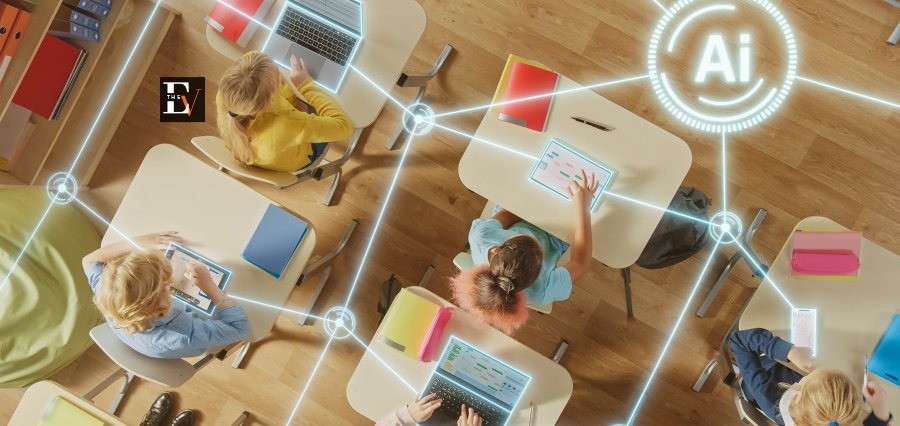
One of the most evident benefits of using AI in education is its capacity to personalize learning based on an individual’s abilities. In traditional teaching, one pace suits all, making some students feel overburdened while others feel bored. However, adaptive learning systems are now able to determine the level of expertise of students and modify the complexity of the material being taught. In this way, those students who face problems in their studies will have extra help without feeling embarrassed, while talented students will have opportunities to learn additional material. However, privacy of data should not be overlooked.
Easing the Burden on Teachers
Aside from technology for the students, the use of artificial intelligence has been subtly changing the way teachers conduct themselves. Grading papers, taking attendance, and creating progress reports used to take up a lot of time from the teacher’s schedule. Automated systems now do most of that work, leaving the educators more time to engage in something that no machine could ever do: mentoring and motivating. Educators used to have little time due to all the paper work, but now they find more time to interact with their students individually.
Bridging Gaps in Access
The case of AI in education which stands out the most is the aspect of serving the population which has not been served sufficiently in the past. Schools in the rural areas with insufficient teachers, students in far-off locations, and students with special needs can take advantage of the technology which ensures provision of tutoring services and translation services round the clock. The student who cannot afford private tutoring now has an opportunity to get explanations and practice questions based on his/her needs without any costs.
The Ethical Questions We Cannot Ignore
No honest debate on the use of AI in the education sector can overlook the threats involved in this technology. Issues to do with data security, algorithmic bias, and an overreliance on this technology are not just mere threats since they are actually becoming prevalent in today’s classrooms. For instance, there is collection of personal details of the learners, learning trends, and even behaviour data without any proper consent and knowledge of what the data is to be used for. The other threat involves learners overusing AI-based answers.
Preparing Students for What Comes Next
However tough the journey may prove to be, there is one fact that cannot be ignored – the future for today’s students is going to be marked by the ubiquity of artificial intelligence at work. Learning how to approach these technological instruments in an insightful, critical and ethical way is not an option but an absolute necessity. The ones who fail to recognize this fact are going to turn out graduates ill-prepared for the realities of their profession.
A Balanced Path Forward
AI in education is neither the ultimate solution that can make everything better nor an evil to be feared by everyone. This is just another tool that can be dangerous when used without proper caution. Everyone involved, from teachers to parents, should collaborate in order to make sure that these technologies are being used for the benefit of children, not vice versa. Our decisions today affect not only our children’s education but their future too.