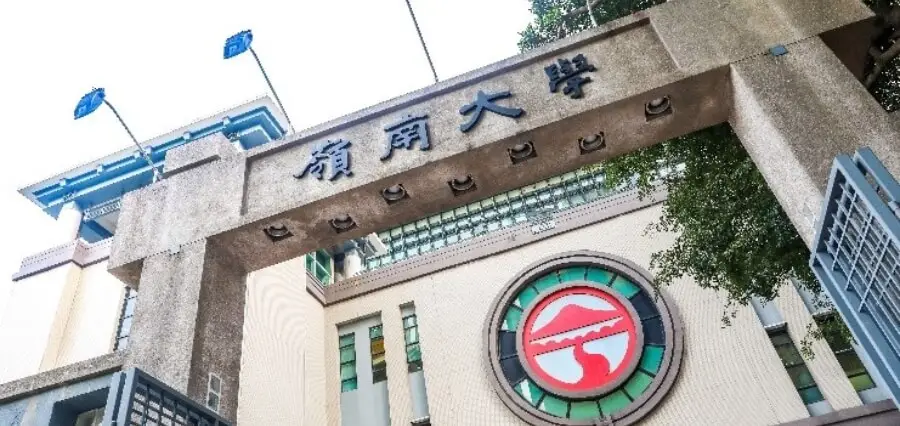
The Department of Translation of Lingnan University is to be re-named to the Department of Language Industry and Technology (LIT) from the 2027/28 academic year. Programs offered by the Department at the undergraduate and taught postgraduate levels are to undergo corresponding re-naming in the same academic year in line with the strategic vision of the Department in the digital age.
The re-naming of the Department intends to equip students with professionalism in languages and translation and skills in working with machines. This will enable the students to incorporate digital technologies and Artificial Intelligence in their language work.
Prof Rachel Lung Wai-chu, Head of the Department of Translation at Lingnan University, said, “The rapid development of AI and translation technologies is changing the landscape of the language services industry. In line with the University’s strategic direction of ‘Liberal Arts + AI’, the Department of Translation is committed to integrating language education with technology, building on the foundation of traditional humanities education while incorporating digital elements to address changes in the industry.”
“Under the new positioning, the curriculum will cover a broad range of areas, including transcreation, audiovisual translation for film, television and multimedia, specialised language prompting for generative AI, and post-editing. In addition to developing students’ ability to apply digital tools and language technologies flexibly, we also place great emphasis on cultural insight and cross-cultural communication strategies, which are difficult for AI to replace. This will help ensure that our students are equipped to handle a wide range of cross-lingual content adaptation and cultural communication tasks.”
The existing translation programmes already cover a range of advanced translation skills relevant to the technology sector. These include transcreation; localisation, which involves adapting translated content and product information to the linguistic and cultural context of the target market; cross-cultural mediation, which helps people from different linguistic and cultural backgrounds address communication differences; audiovisual translation; post-editing for specific purposes, which involves revising AI-generated translations according to the intended use and requirements of the content; computer-assisted translation (CAT), which helps improve translation efficiency and maintain consistency in specialised terminology; and large language model (LLM) fine-tuning, which involves adjusting language models to make them better suited to specific purposes or tasks.
As per the new positioning by the Department, students will have the opportunity to experience varied jobs in the field of language and how the use of technology can help solve issues that keep arising due to changes in the industry. Students will also be able to take advantage of their skills and capabilities in advanced language communication and technological innovation. They will also have the option of pursuing jobs in various fields like the technology industry, digital marketing and corporate communications. This could involve coordination of multilingual websites and promotional materials for organizations, adaptation of product information to suit different cultures and marketplaces, and reviews of AI translations.
Undergraduate and taught postgraduate programmes to adopt new names
In line with the Department’s strategic development, the following two programmes will adopt new names from the 2027-28 academic year:
- The undergraduate programme Bachelor of Arts (Honours) in Translation will be renamed the Bachelor of Arts (Honours) in Interlingual Communication and Language Technology.
- The taught postgraduate programme Master of Arts in Translation Studies will be renamed the Master of Arts in Language, Communication, and Technology.
Admissions for both programmes for the 2027-28 academic year are now underway. All admissions information will adopt the new programme names with immediate effect.