Prime Highlights :
- The conference focused on education reforms and the impact of AI on learning.
- Experts discussed research, curriculum development and future education needs.
Key Facts :
- The event was organised by ADA University and Azerbaijan’s Ministry of Science and Education.
- More than 235 participants from eight countries attended the conference.
Background :
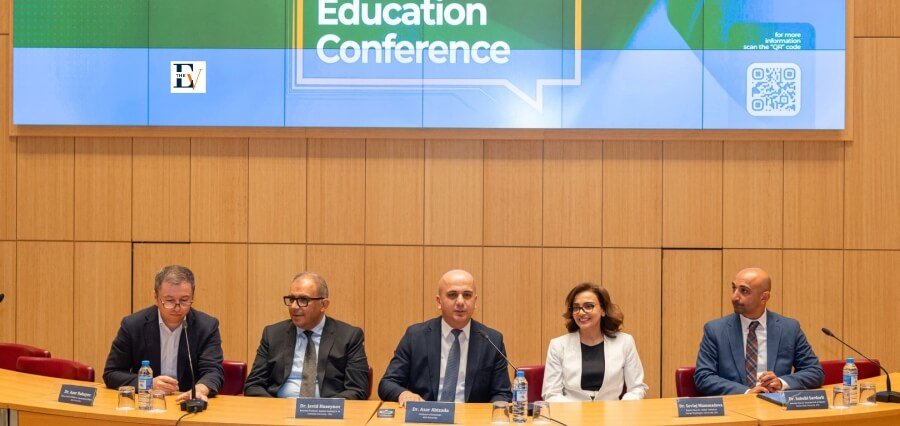
Leaders of education, scientists, and policy makers participated in the ninth ADA International Education Conference in order to look into ways in which learning and teaching can be modified with regard to technological and societal developments. The conference was organized by ADA University, together with the Ministry of Science and Education of Azerbaijan, around the topic of educational transformation.
The issues of changes brought about by artificial intelligence, the new requirements of the labor market, and the country’s development priorities were considered in the context of rethinking education.
Minister of Science and Education Emin Amrullayev said recent reforms have improved the quality of higher education in Azerbaijan, giving more students access to quality learning within the country. He added that education should not only develop knowledge and professional skills but also strengthen national and universal values.
ADA University Rector Hafiz Pashayev stressed the importance of creating a strong academic environment. He said educators should gain practical experience before pursuing research and ensure that their research reflects both professional expertise and academic interests. While recognising progress in education, he noted that further work is needed to strengthen scientific research.
The conference featured keynote addresses and panel discussions involving international and local experts on higher education, research development and the future of primary and secondary education. The following ideas were raised by speakers concerning issues such as the enhancement of research capability, curricula that embrace all, and responses to new educational challenges.
Over 235 participants representing eight countries participated in the conference, which included, among others, government officials, educationists, educators, students, and other institutional leaders.