Prime Highlights :
- FIDE and ISCF leaders met African federations in Cape Town to expand chess in education across the continent.
- South Africa, Eswatini and Namibia each outlined plans to strengthen chess programmes and teacher training.
Key Facts :
- Cape Town hosted Africa’s first chess club, founded in 1885.
- Namibia is exploring hosting an international chess event, citing its infrastructure and e-education experience.
Background :
The African Continental Stage of the FIDE ISCF World Schools Team Championship 2026 has been ongoing in Cape Town and transforming into a forum for federations, education authorities and chess organizations in the region.
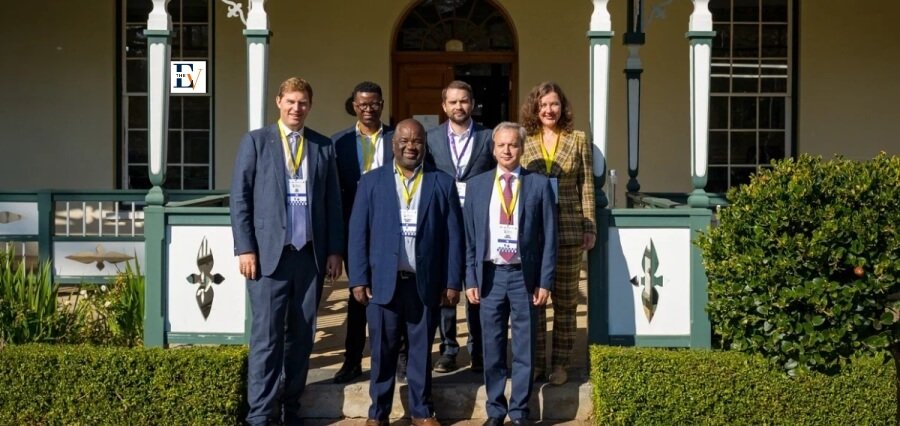
FIDE President Arkady Dvorkovich and ISCF President Timur Turlov were present at the event, where talks centered around teacher development, school leagues, coordination at the national level, and the role of chess in widening access for children to learning. Meetings were conducted with chess authorities from South Africa, Eswatini and Namibia on how chess can take an active part in African societies.
In South Africa, meetings have been held with chess authorities, the National Olympic Committee and sporting officials of South Africa, who said that the first chess club in Africa was started in Cape Town in 1885. Dr. Lyndon Bouah, Chief Director for Sport and Recreation in the Western Cape, highlighted that participation in chess in schools is growing, resulting in greater funding from the government for a school chess league. FIDE and South African officials agreed to deepen cooperation and stage more international events in the country, with South Africa also being considered a regional hub for chess education.
Discussions with Eswatini centred on building an international framework to help African nations develop connected national chess systems, with FIDE stressing stronger federation coordination. Namibia expressed interest in training primary school teachers to deliver chess education and in eventually hosting an international chess event, citing its infrastructure and experience in e-education.
Turlov said the discussions in South Africa reflected a shared eagerness among players, teachers, federations and state officials to institutionalise chess in education. Dvorkovich said FIDE had laid the foundation pillars for expanded support across Africa.