Cybersecurity has moved from the server room to the boardroom. Organizations that had once treated it as a background function have now come to understand that a single security failure can disrupt operations, damage reputation, and shake the confidence of everyone who depends on the business. The pressure on security leaders has grown accordingly. They are expected to defend complex environments, satisfy regulators, brief boards, and build teams capable of responding to threats that did not exist a year ago.
Meeting all of that simultaneously demands more than technical knowledge. This demands a leader who thinks in terms of business risk, not just technical exposure.
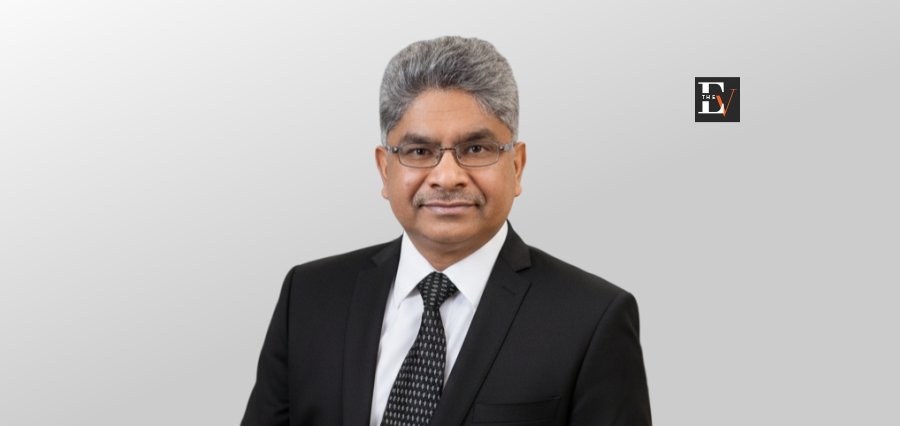
Mohamed Iqbal, Director of Technology and Cyber Security at Aiverz Technologies, has spent his career developing exactly this perspective. His path from IT infrastructure into enterprise cybersecurity leadership was shaped by a clear recognition that security and business strategy are inseparable. Across government entities, multinational corporations and banking environments, he has built security operations, designed governance frameworks, and led transformation programs that go well beyond compliance.
His work consistently reflects one guiding belief: that strong cybersecurity does not just protect an organization, it gives it the confidence and stability to grow. For him, cybersecurity leadership has never been about tools, or compliance alone; it has always been about building organizations that are genuinely prepared for what comes next.
A Turning Point That Defined His Professional Path
Mohamed’s professional journey began in traditional IT infrastructure management, where he developed a strong technical foundation and gained extensive exposure to enterprise technology environments. However, a pivotal shift that changed the direction of his career and ultimately shaped his leadership in cybersecurity.
The major turning point came when cyber threats started having a significant impact on businesses and their operations. During that period, he recognized that security was no longer limited to being a purely technical function. Instead, it was rapidly becoming a critical business imperative.
This realization motivated him to specialize heavily in cyber defense, governance, and resilience while simultaneously developing leadership skills that would allow him to align security strategies with broader business objectives. This very transition is what laid the foundation for the role he plays today, managing enterprise cybersecurity programs while driving strategic transformation initiatives across complex environments.
For him, cybersecurity leadership is not simply about implementing tools or responding to threats. It is about understanding how security influences organizational continuity, operational confidence, and long-term business growth.
Balancing Strategic Leadership with Technical Oversight
As Director of Technology and Cyber Security, Mohamed’s responsibilities extend across both strategic leadership and hands-on technical oversight. Managing this balance requires maintaining visibility at the C-suite and on the ground.
Strategically, his focus centers on aligning cybersecurity initiatives with business priorities of risk management, compliance requirements, and digital transformation objectives. All while he remains technically engaged to ensure that critical components such as security architecture, threat intelligence operations, and SOC operations remain aligned with organizational security goals and evolving technological requirements.
For him, effective cybersecurity leadership depends on understanding both high-level strategic decisions and the detailed operational realities within security environments. This dual perspective allows to guide organizations through evolving challenges while ensuring security operations remain efficient and adaptive.
Navigating the Complexity of Large-Scale Security Operations
Having led SOC implementations and designed advanced SIEM and SOAR architectures, he has managed large-scale cybersecurity operations that demand extensive coordination between people, processes, and technologies.
According to him, one of the most challenging aspects of orchestrating large-scale security operations lies in integrating a complex range of processes and technologies into a truly collaborative and effective security ecosystem. “Just having the technology in place does not create a responsive SOC”, he explains. Effective coordination between incident response, threat intelligence, governance and business stakeholders is crucial.
Another major challenge he highlights is managing alert fatigue while maintaining high levels of operational efficiency. In highly dynamic environments, excessive alerts can overwhelm security teams and reduce response effectiveness. He emphasizes that, “Leveraging automation through SOAR and refining detection logic has been key in tackling these challenges.”
His approach demonstrates the importance of combining technological advancement with process optimization and collaborative leadership to create mature and resilient security operations.
Building Expertise Through Continuous Learning
In a field where threats evolve continuously, Mohamed believes that learning can never stop. Throughout his professional journey, he has continuously invested in certifications and professional learning to strengthen both his technical expertise and leadership abilities. He believes certifications have not only deepened his technical knowledge but also strengthened strategic understanding and decision-making capabilities.
He states that certifications have enabled him to apply structured frameworks when approaching risk management, governance, and incident response. They have also reinforced the discipline required to make effective decisions in high-pressure environments. He also views certifications as a reflection of continuous learning, which he considers absolutely necessary in the cybersecurity field.
As threats continue to evolve and technologies rapidly advance, staying informed and adaptable remains one of the most important responsibilities of cybersecurity professionals and leaders alike.
Staying Ahead in an Evolving Threat Landscape
As cybersecurity becomes increasingly influenced by Generative AI and emerging technologies, Mohamed remains deeply committed to staying ahead of evolving threats and innovations.
He highlights, “Continuous learning and active participation within the security community are extremely important.” He regularly follows threat intelligence reports, research papers, frameworks, and technological developments, particularly in the area of AI driven security.
He recognizes that staying informed is not a one-time effort but an ongoing commitment that requires curiosity, adaptability, and constant professional development. His proactive approach to learning reflects his broader philosophy that cybersecurity leadership must evolve alongside technological innovation.
Leadership Lessons Across Diverse Industries
Mohamed has audited and worked with a diverse range of sectors, including government entities, multinational corporations, and banking. These experiences have provided him with valuable insight into the different operational demands and regulatory environments that organizations face.
One of the most important lessons he has learned is that every sector has unique risk appetite, regulatory requirements, operational demands and corporate cultures. Successful cybersecurity leadership therefore requires adaptability and the ability to understand these distinctions while maintaining focus on resilience, governance, and effective risk mitigation.
His ability to navigate varied regulatory and operational landscapes demonstrates a leadership style grounded in flexibility, strategic awareness, and an understanding of organizational complexity.
Building High-Performance Cybersecurity Teams
Beyond technical expertise and operational leadership, Mohamed places significant importance on building and nurturing high-performance cybersecurity teams. Throughout his career, he has managed SOC teams, recruitment initiatives, training programs, and incident response operations.
His leadership philosophy is built around three core principles: continuous learning, accountability, and collaboration.
He believes, “Cybersecurity teams perform optimally when they feel empowered through up-to-date knowledge and training.” Encouraging creativity, independent thinking, and initiative allows teams to become more adaptive and resilient in high-pressure environments. Accountability, according to Mohamed, is equally Important. However, it must always be balanced with trust, openness, and support.
He also emphasizes that, “Calm and decisive leadership is paramount during critical incidents.” In high-pressure situations, teams look to leadership for clarity, direction, and stability. For him, building truly robust cybersecurity teams requires investing not only in technical capability but also in the holistic growth and development of every individual team member.
Defining Achievements in Cybersecurity Transformation
Mohamed has contributed to numerous areas including OT security, digital payment systems, cloud security, business continuity, and cybersecurity transformation initiatives. Among the many accomplishments throughout his professional journey, he considers his work in orchestrating end-to-end cybersecurity transformation projects to be the most defining milestone of his career.
These projects involved implementing SOC operations, sophisticated SIEM and SOAR capabilities, and integrated security governance frameworks effectively into complex environments.
For him, however, the greatest achievement extends beyond technology itself. What stands out most is the long-term impact these initiatives created on business continuity, risk reduction, and organizational culture. Building environments where security awareness becomes embedded into the operational mindset of an organization represents a lasting contribution that goes beyond systems and infrastructure.
This perspective reflects his belief that cybersecurity leadership should ultimately strengthen organizational confidence, resilience, and sustainability.
Maintaining Balance in a Demanding Profession
Despite managing an intense professional portfolio, Mohamed strongly believes in the importance of maintaining work-life balance. He dedicates specific slots in his day and week to professional development, family life, health, and quiet reflection time.
While cybersecurity is a highly demanding profession that demands considerable energy, it is also a field he remains deeply passionate about. For him, continuous learning is not simply a professional obligation but an integral part of his personal motivation and long-term growth.
He also believes that viewing the pursuit of new skills as a marathon rather than a sprint has helped him sustain balance over time. This perspective allows him to continue pursuing new certifications, skills, and leadership opportunities while maintaining personal well-being and focus.
Shaping the Future of Cybersecurity Leadership
Looking ahead, Mohamed remains focused on contributing to several emerging areas within cybersecurity and technology leadership. Among his primary interests are AI-driven security strategies, cyber resilience framework development, OT and critical infrastructure security, and executive-level risk advisory.
He is also deeply committed to mentoring the next generation of cybersecurity leaders and helping organizations improve readiness in an increasingly interconnected digital world.
He believes, “The future will demand leaders who can seamlessly connect technology, business objectives, governance frameworks and innovation.” As cybersecurity continues to evolve into one of the most critical components of modern business operations, he remains committed to growing across all of these dimensions while helping organizations navigate the complexities of the digital age.
Through decades of experience, strategic insight, and a commitment to resilience, Mohamed Iqbal continues to establish himself as a forward-thinking leader shaping the future of cybersecurity and enterprise transformation.