Picture this. You just received a job offer from a company that looks great on paper. The salary is right. The title is impressive. The office photos look modern and welcoming. But something makes you pause. You want to know what it is actually like to work there. Not what the company says about itself. What the people inside it genuinely think.
Not long ago, finding that kind of honest information was nearly impossible. You relied on a friend who happened to know someone there, or you went in blind and hoped for the best. Today, millions of people open Glassdoor and find exactly what they are looking for in minutes.
This blog discusses what this platform is, how it works, what makes it useful for job seekers and employers, and how it has grown into one of the most active career communities in the world.
Understanding the Platform
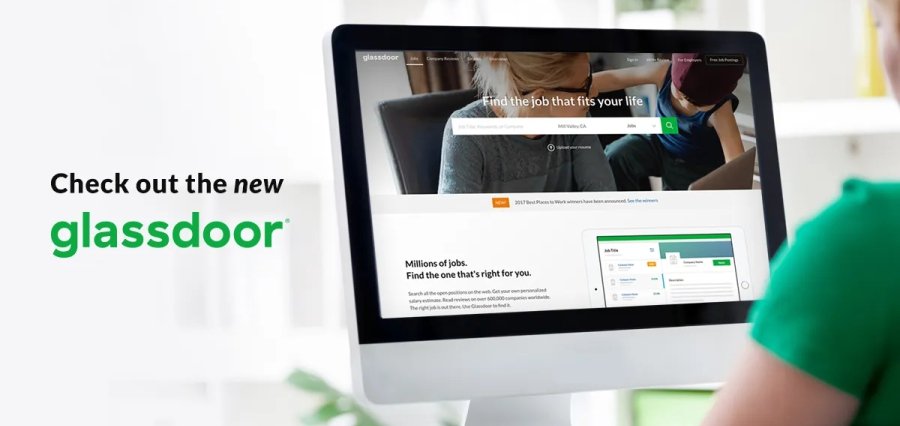
Glassdoor is an Internet-based website that allows both present and past employees to express their experiences of working in a particular firm in anonymity. Founded in 2007, the platform has been built upon one single premise: all workers deserve access to the truth about their workplaces, regardless of any background or connections.
Here, users are able to publish and review information on companies, give insight on the salary offered by employers, share stories about job interviews and rate companies on various aspects, including culture, work-life balance and upper management.
What sets this tool apart from a standard job board is the layer of honest, employee-generated information sitting underneath every listing. You are not just seeing a job description. You are seeing what people who actually work there have to say about it.
How It Grew Into What It Is Today
Glassdoor was founded in 2007 in San Francisco. The founding idea was simple but powerful. People deserve honest information about the places they work and the places they are considering joining.
The platform gradually expanded over time. The site was later purchased by a large Japanese tech and staffing firm, linking it to one of the biggest employment sites in the world. This allowed for a greater global exposure for the platform.
Today, it has over 60 million monthly visitors and more than 2.5 million company profiles. Those numbers reflect a platform that has become a genuine part of how people navigate their professional lives every day.
The Career Community That Changed the Platform
For most of its early life, Glassdoor was primarily a review and salary site. That changed when it launched a full set of community features, turning it into something much closer to a professional social network built around honest workplace conversations.
The community side of the service lets users join anonymous conversations with colleagues and professionals across their industry. They can ask questions they might feel uncomfortable asking openly. They can seek advice on specific workplace situations. They can connect with others going through similar career challenges.
The response was significant. Within a year of launching these community features, the number of active community members grew from under four million to nearly 20 million. Community users turned out to be far more engaged than regular platform users. The career community had clearly filled a gap that people did not even know they were missing.
What Job Seekers Use It For
For anyone looking for a job, Glassdoor offers several things that most other platforms simply do not.
Company reviews give a genuine picture of what daily life at an organisation actually looks like. Culture, management style, team dynamics, and whether the company delivers on what it promises during interviews: all of this comes through in reviews written by people with real, direct experience.
Salary data is one of this platform’s most used features. The platform holds hundreds of millions of compensation reports across roles, industries, and countries. For anyone heading into a salary negotiation, that data is genuinely powerful. Knowing what others in similar roles earn removes the guesswork and gives candidates a much stronger position at the table.
Interview insights let candidates prepare for specific companies. Users share the questions they were asked, how the process was structured, and how long it typically took. Walking into an interview with that inside knowledge makes a real difference.
What Employers Use It For
Glassdoor is not just a tool for job seekers. It is used very actively by companies to control their presentation to potential candidates and attract the right candidates.
Employers are able to create and control their profiles, answer publicly to reviews, post jobs, and have data on how candidates see them. Many recruitment and HR departments monitor their ratings on the platform as part of their overall employer branding.
The active participation on the site shows candidates that a company cares about its culture and is ready to communicate with them. For competitive roles where candidates have multiple options, that signal carries real weight.
Why It Matters Beyond Job Searching
The platform sits within a much bigger shift in how people think about work. Candidates today do far more research before accepting a role than people did even ten years ago. They want to understand values, flexibility, leadership quality, and growth opportunities, not just the number on the offer letter.
The career community that it has built reflects this shift well. Surveys have found that most working professionals wish they had somewhere they could ask honest questions about workplace challenges without putting their name to it. This tool built exactly that space.
In a world where one bad career move can cost years of progress, having access to honest information and a supportive career community is not a small thing. It is a meaningful advantage.
Conclusion: Built on the Power of Honest Voices
Glassdoor started with one belief: that people deserve honest information about the places where they spend most of their time. Nearly two decades later, it has grown into a community used by tens of millions of professionals every month. Whether you are researching a potential employer, preparing for an interview, understanding your market value, or simply looking for others who get what you are going through at work, this platform has built a space for all of it. In a world where career decisions carry enormous personal weight, honest information and a strong community around you make all the difference.