Prime Highlights :
- Huawei and Shenzhen Welkin School showcased a digital education model designed to improve access to quality learning resources.
- The initiative connects 27 schools through a shared technology platform that supports collaborative teaching and resource sharing.
Key Facts :
- UNESCO estimates that 44 million additional teachers will be needed globally by 2030.
- The project has earned international recognition, including a UNESCO award for innovation in smart education.
Background :
As nations seek solutions to improve the availability of quality education, technology-based innovation by Huawei and Shenzhen Welkin School is drawing international interest. Recently, this project was showcased to over 100 education experts from across nations as a way of using technology to help schools bridge their resource deficiencies.
This approach emerges at a time when there is an increasing global shortage of teachers. According to estimates by UNESCO, millions of teachers will be needed in the coming years, especially in developing areas characterized by limited access to quality education.
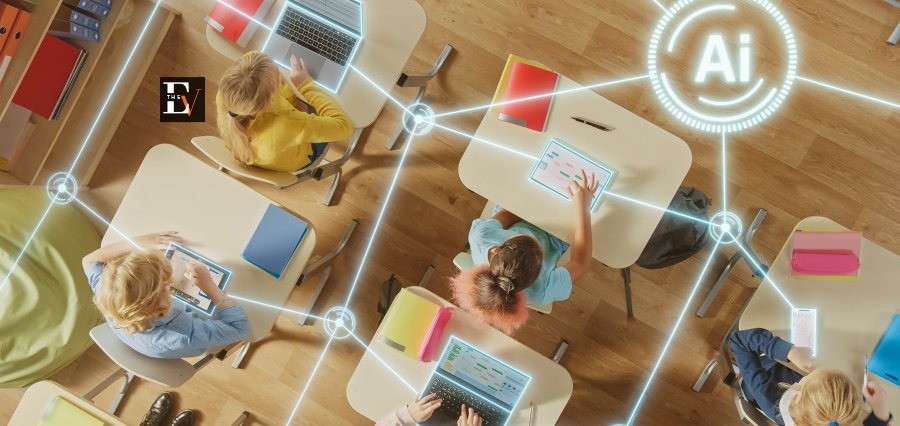
As a solution to this problem, Shenzhen Welkin School has created a collaboration network among 27 schools through the use of a digital platform. Through this approach, schools are able to exchange teaching materials and even conduct lessons, as well as create learning opportunities for students irrespective of their locations.
The firm supplies the technological backbone for the program. Interactive technologies, such as those used in classrooms, wireless internet and cloud technology, ensure that teachers and students in multiple campuses can join lessons and exchange materials online.
According to school authorities, this program will help to overcome the gap in education among different institutions. Through the connection of institutions, it becomes possible to collaborate among teachers and, thus, provide better education to more students.
The initiative has won numerous international awards, including the award for innovation in smart education by UNESCO. The model could be implemented in other countries where there are problems with a shortage of teachers and a lack of educational resources.
Despite the existing difficulties connected with the lack of developed digital technology or technological literacy among people, organizers emphasize that improved connectivity and a collaborative model of teaching might prove very helpful in overcoming these gaps.