The Responsibility of Vision
The education leaders are defining the way the next generation will learn, work, and live in a world defined by constant change. Their work goes far beyond exam scores and rankings. It is about building learning systems that are fair, flexible, and ready for tomorrow. Many of today’s influential education leaders are questioning what quality learning really means and how it can reach every learner, regardless of background or geography.
A new vision for learning
Modern education leadership begins with a strong and forward-looking vision. Leaders are no longer asking how they can teach the same subjects they are teaching; they are questioning themselves about what skills the young people are going to need to succeed in the uncertain times. This shift is pushing influential education leaders to emphasize creativity, critical thinking, communication, and character, alongside traditional academic foundations.
They want schools and colleges to become places where students learn to solve real problems, not simply repeat information. By connecting lessons with real-world projects, community engagement, and practical experiences, leaders help learning feel relevant and alive. When this vision is shared clearly, teachers, students, and parents can move forward together.
Putting students at the center
One of the most important changes in education today is the move from teacher-led to learner-centered approaches. Leaders are encouraging classrooms where students have more voice, choice, and responsibility in their own learning journeys. This includes flexible pathways, varied assessments and tailored support systems.
Influential education leaders understand that learners vary in terms of speed, interest, and personal factors. They encourage the timely detection of learning gaps with thoughtful use of data and feedback, so help arrives before failure does. Just as importantly, they emphasize student wellbeing, creating environments where learning feels safe, supportive, and motivating.
Technology as an enabler, not a goal
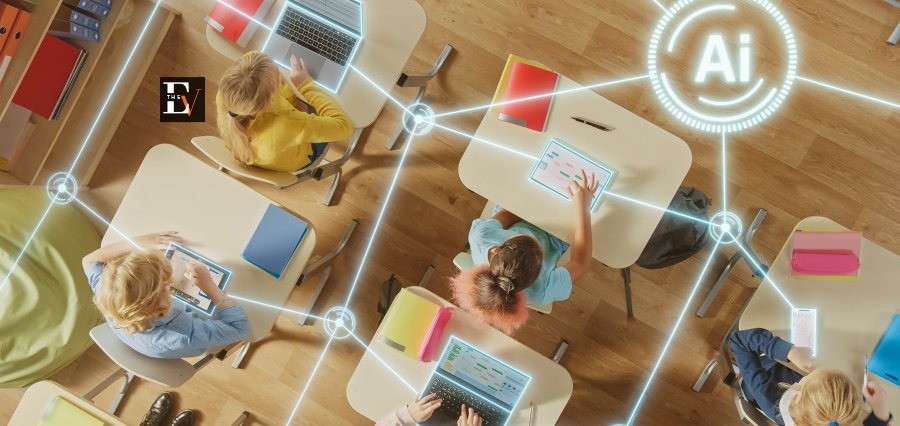
Digital tools now play a major role in education, but wise leaders treat technology as a support, not a solution in itself. They choose platforms and tools that genuinely enhance learning rather than adopting trends without purpose. Learning management systems, virtual classrooms, and analytics dashboards are used to simplify work for teachers and personalize learning for students.
At the same time, influential education leaders are aware of challenges such as unequal access, digital fatigue, and privacy concerns. They aim to ensure that technology bridges the gaps rather than increases them. Training teachers and designing thoughtful digital lessons remain central to this effort.
Building strong teachers and staff
Without a well-supported and confident teacher, no reform can be successful. The future leaders of education invest heavily in professional development, wellbeing, and recognition. They also strive to keep the workloads realistic because teacher motivation is directly proportional to student success.
Professional learning is evolving from one-off workshops to ongoing communities of practice. Influential education leaders encourage mentoring, peer learning, and collaboration so that educators can grow together. They also work to manage workloads realistically, knowing that teacher motivation directly affects student success.
Equity and access as core priorities
Addressing inequality is one of the most urgent tasks facing education systems today. The disparities in access and outcome persist between regions and social groups. Leaders committed to equity focus on funding schemes, directed assistance, and outreach that ensure background does not limit opportunity.
They support inclusive policies for learners with disabilities, those from disadvantaged families, and students at risk of dropping out. Once equity is used as a benchmark of success, education systems grow fairer and more resilient.
Partnerships beyond the classroom
Education cannot exist in isolation from society. Forward-looking leaders build partnerships with employers, universities, community organizations, and policymakers. These collaborations create internships, projects, and learning experiences that connect classrooms with real life.
Influential education leaders also treat families as partners. Parents and caregivers are part of the learning process as they engage in open communication and active participation in school life instead of being remote observers.
Leading through change and crisis
Recent global disruptions have shown the need for agility in leadership. Leaders now plan for continuity, flexible assessments, and hybrid learning models that can withstand uncertainty. By reflecting on lessons from crises, they take disruption as an opportunity to build systems rather than weaken them.
Values and ethics at the core
Education is not only about knowledge but also about values. Leaders place integrity, respect, and responsibility at the heart of policy and practice. They encourage digital ethics, environmental awareness, and citizenship through curriculum and culture.
Measuring what truly matters
Future-focused leaders are broadening how success is defined. Academic results still matter, but engagement, well-being, and long-term outcomes like employability are also monitored. The balanced strategy enables institutions to improve meaningfully rather than simply compete.
Summary
As systems evolve, one message becomes clear: education must stay human, even as it becomes more digital and data-driven. By ensuring that the learners remain central to them, supporting teachers and being committed to fairness and collaboration, leaders contribute to creating a more inclusive, relevant, and promising education future to all